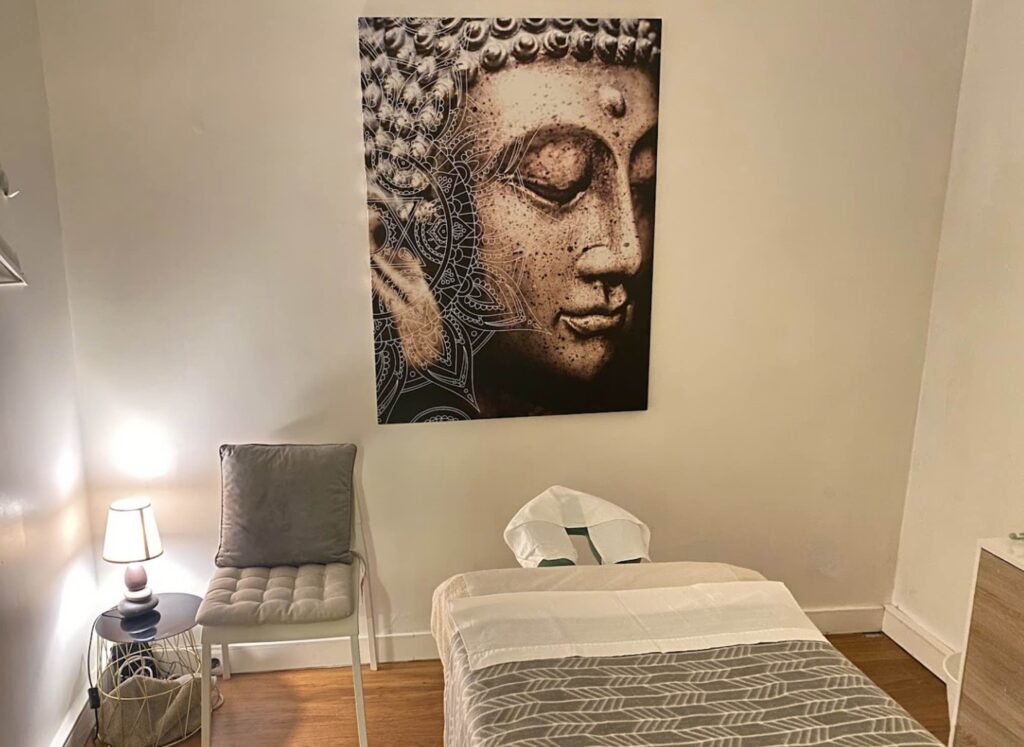
Osteopathy
If you’ve never been to an osteopathy appointment, it’s natural to have questions: what will happen, does it hurt, will you hear any cracking sounds? Let’s take it step by step.
Classical Osteopathy starts from a simple principle: the body is a whole, and everything is connected. Shoulder pain can originate from tension in the pelvis; a digestive issue can be related to the way you breathe. Rather than treating the symptom alone, the osteopath looks for the cause, considering the person as a whole — physically and emotionally.
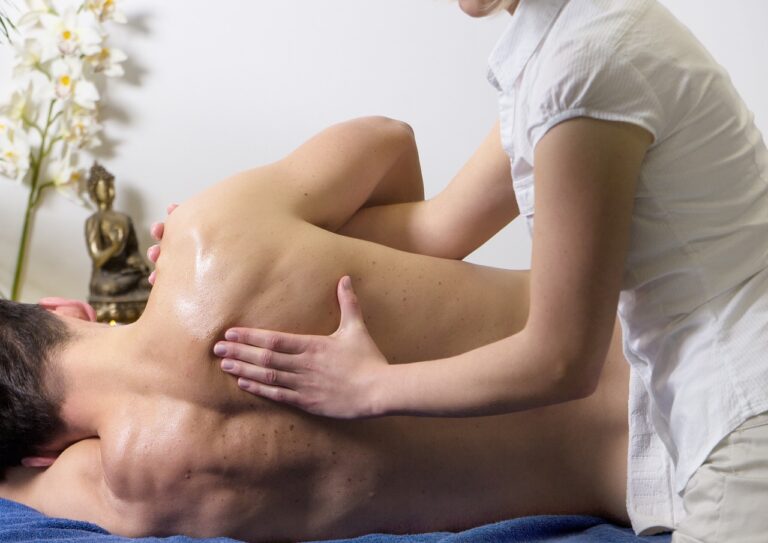
Recognised in Portugal by the ACSS as a non-conventional therapy, Classical Osteopathy works through the Body Adjustment: a sequence of rhythmic, gentle movements that uses the arms and legs as long levers to mobilise the spine, ribs and joints. These are not abrupt manoeuvres — most people describe the sensation as a slow rocking motion, and it’s common to feel very relaxed during treatment.
Treatment should not be painful, and you can always say what you’re feeling. There isn’t always “cracking”; when it happens, it’s simply the sound of a joint regaining movement — never the goal in itself.
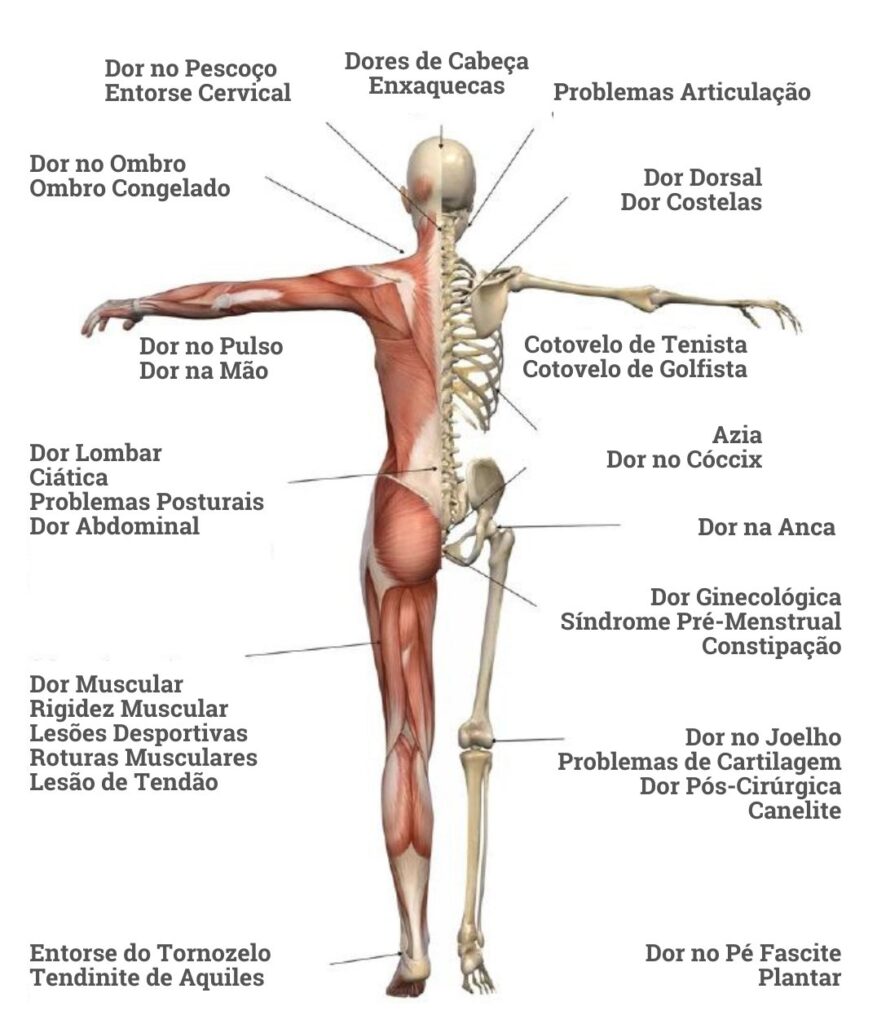
When should you see an osteopath?
Many people only seek help once symptoms are already established. Some of the most common reasons include:
- Headaches or migraines
- TMJ (temporomandibular joint) problems
- Shoulder pain, frozen shoulder
- Neck, back or rib pain
- Tendinitis, bursitis, epicondylitis
- Sciatica, hip pain
- Lower back and abdominal pain
- Postural changes, scoliosis
- Gynaecological problems, dysmenorrhoea, constipation
- Knee problems, plantar fasciitis
- Gastrointestinal problems (heartburn, bloating, poor digestion, irritable bowel syndrome…)
- Muscle pain or stiffness
The good news is that Osteopathy is effective for all of these, and can also help even without symptoms, as a way to maintain the body’s balance. Book a consultation and come find out what your body needs.
Where Osteopathy comes from
Osteopathy was developed by the American physician Dr Andrew Taylor Still in the second half of the 19th century, and has since gained increasing recognition across Europe, particularly in Portugal.
It is a science with its own philosophy and therapeutic approach, based on the idea that the body’s capacity for self-regulation is fundamental to health. Over more than a century, it has become an integral part of healthcare worldwide, complementing conventional medicine.
There are many therapeutic techniques, applied differently depending on the context and tailored to each person, based on an initial case history and a treatment plan adapted to their complaints.
A Biopsychosocial Approach
Recognised by the WHO, the biopsychosocial model understands health as the integration of biological, psychological and social factors. Our well-being depends on the balance of these three dimensions — which is why, before starting treatment, it’s important to understand your history: how you sleep, how your digestion is, any falls or surgeries you’ve had, and what brings you here.
By exploring and understanding this history, we can positively influence how your body responds, and help prevent your complaints from returning through small changes in habits.
Book a consultation or a treatment plan and come discover the benefits of these practices. Here, every treatment is carefully designed, with close attention to detail, to give you a truly complete approach.
Bookings and Appointments
Appointments are made by prior booking only. Reserve a session or a treatment plan and discover the benefits of these practices. Please note that the date and time of your booking are subject to availability.
How can you pay?
You can pay via MB WAY, Revolut, card or cash.